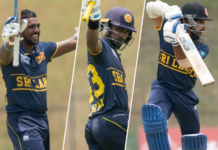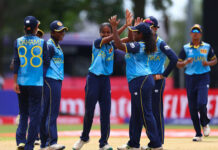
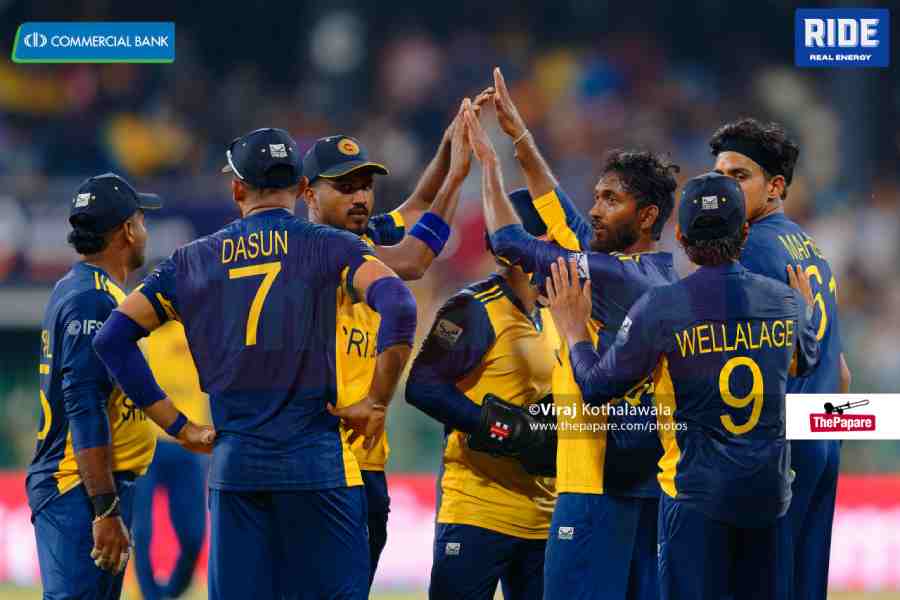
Sri Lanka have flipped the script in this World Cup, producing a clinical run that has carried them into the Super Eight stage as the first team out of Group ‘B’. Their stirring win over former champions Australia, sealed with two overs to spare, did more than knock out a heavyweight; it lit the blue touch paper across the island.
Colombo buzzed, Kandy roared and tickets for the otherwise inconsequential final group game against Zimbabwe vanished faster than grandma’s sweets prepared for the Sinhala – Tamil New Year. The Super Eight fixtures have followed suit, sold out with more than a week to go. When the stands are packed and the drums are beating, cricket in Sri Lanka breathes differently.
It was not long ago that doom merchants were sharpening their knives. A 3-0 whitewash at the hands of England earlier this month had left morale at low ebb. Confidence had drained. But this Sri Lankan side have shown they are made of sterner stuff. They have dusted themselves off, trusted the process and now dare to dream of a first semi-final appearance at a global event in 12 years.
>>Four Tests a year leaves Sri Lanka on a sticky wicket<<
The road ahead is anything but smooth. England, New Zealand and Pakistan stand in their way. Yet the co-hosts will not be overawed. Over the past 12 months they have traded punches with all three and know there is no need to reinvent the wheel. On these surfaces, with their spinners squeezing the middle overs and batters finally shifting gears, Sri Lanka believe they can hold their own.
There is, however, a cloud on the horizon. Injuries have robbed them of Wanindu Hasaranga, Matheesha Pathirana and Eshan Malinga, three bowlers who understand the rhythms of T20 cricket and have honed their craft in the IPL’s unforgiving theatre. Their absence leaves a dent, particularly at the death, where matches are often won and lost in the blink of an eye.
For too long Sri Lanka’s batters were stuck in second gear, nudging at 120 and 130 when the modern game demands 150 and above. Head coach Sanath Jayasuriya had spoken candidly last year about the need to lift strike rates. The message has landed.
Kamindu Mendis has been the tournament’s tempo-setter, striking at a scarcely believable 220. Dasun Shanaka has rediscovered his finishing punch, motoring at 200. Pavan Rathnayake, thrown into the deep end of a World Cup cauldron, has swum with composure beyond his years, maintaining a strike rate north of 170. Pathum Nissanka, the metronome at the top, continues to blend consistency with urgency, ticking along at over 150.
>>Future of Sri Lankan cricket in safe hands, says Mathews<<
For a side once accused of chewing up dot balls in the middle overs, this has been a sea change. There is still room for sharper running between the wickets and greater intent when the field spreads, but the days of folding inside 20 overs appear to be behind them. That alone is progress worth applauding.
Kusal Mendis has added maturity to flair, converting starts into substance with three half-centuries already in the bank. Dunith Wellalage, picked primarily for his left-arm control, has chipped in with handy runs lower down, a welcome shift for a team long haunted by a silent tail.
Youth has become Sri Lanka’s calling card. Pavan, Pathum and Kamindu represent a new spine, unburdened by past scars. If Charith Asalanka can be slotted back into the XI, the balance looks even more assured.
There is another dividend to this Super Eight qualification: Sri Lanka have sealed direct entry into the next T20 World Cup in 2028, to be co-hosted by New Zealand and Australia. It is a safety net, yes, but also a statement.
For a side that entered the tournament under a cloud, Sri Lanka have played with clarity and courage. The semi-finals are no longer a distant mirage. They are within striking distance — and in T20 cricket, momentum can be a dangerous ally.