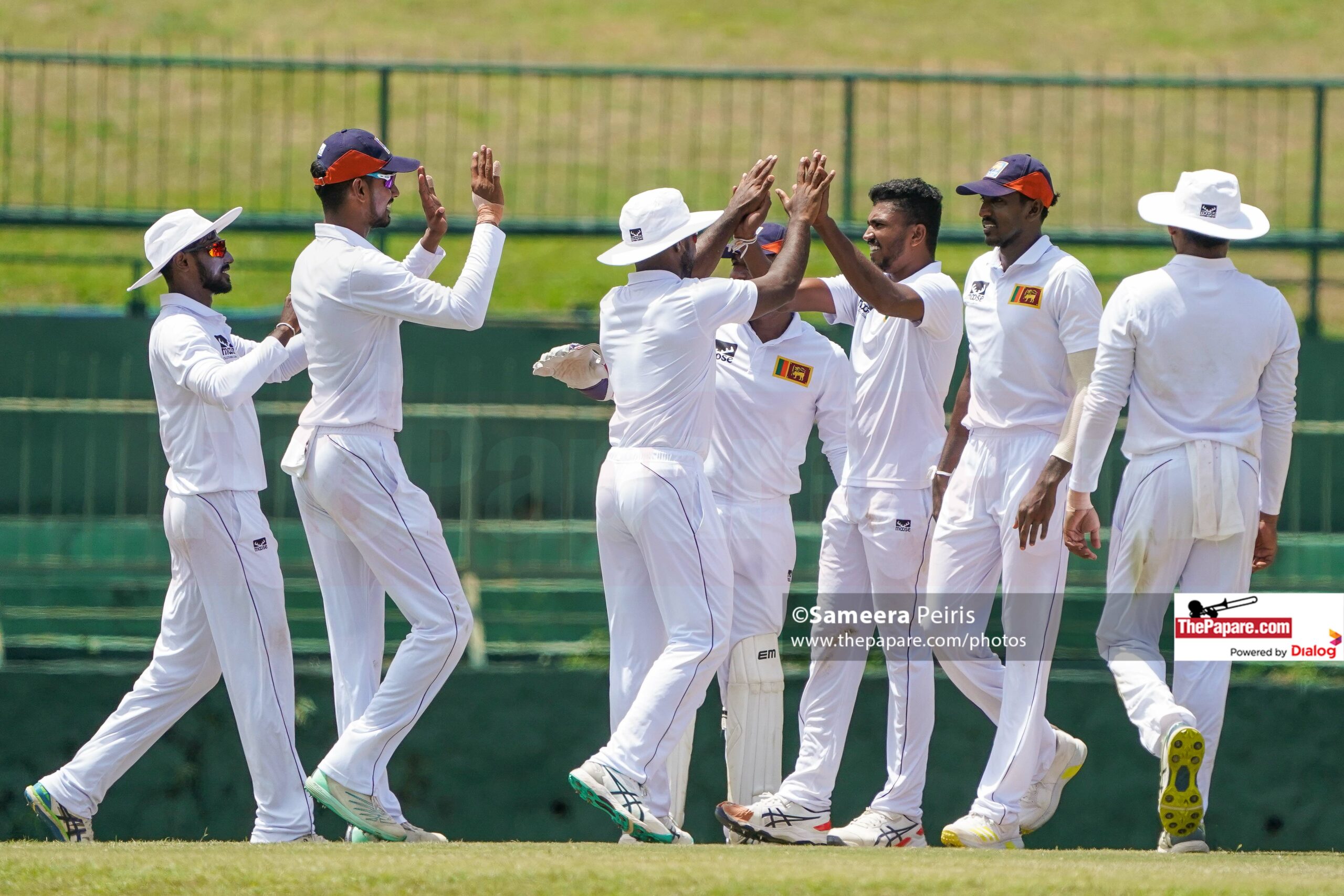
New Zealand ‘A’ have touched down in Sri Lanka and will kick off a bilateral series later this week featuring three one-dayers and two unofficial Tests, a proving ground where reputations are made and stars are born. Pasindu Sooriyabandara will captain the hosts in the four-day games, while Sahan Arachchige takes charge of the limited-overs outfit.
With the senior side set to tour the West Indies in May, this series couldn’t have come at a better time. For those waiting in the wings, it is a chance to press their case, knock the door down rather than merely tap on it and turn ambition into something more tangible.
The landscape of the Test side, in particular, has shifted following a spate of high-profile retirements last year. That has left a few seats vacant in the dressing room and the message from selectors is crystal clear, pile on the runs and you will be in the conversation when the national panel sits down to pick the next squad.
>>Four Tests a year leaves Sri Lanka on a sticky wicket
It’s not just the young guns who have skin in the game. Take Lahiru Kumara, for instance. Out of international cricket for a year due to yet another injury setback, the fast bowler now finds himself at a crossroads. This series offers him a shot at redemption, a chance to get overs under his belt, find his rhythm and remind everyone that he still has plenty left in the tank.
On paper, it promises to be a competitive contest and in recent years, ‘A’ team cricket has quietly gathered momentum. Ideally, Sri Lanka should be hosting at least two such tours annually while sending their own ‘A’ side overseas just as often. That’s how you build depth not by chance, but by design.
Exposure is the name of the game. Facing opponents who are themselves knocking on the doors of international cricket sharpens skills and toughens resolve. More importantly, touring overseas throws players into unfamiliar conditions, forcing them to adapt and in cricket, adaptability is half the battle won.
It’s a page India and Australia have taken straight out of the coaching manual. Their ‘A’ teams are constantly on the move, often touring a country ahead of the senior side. Perform and you’re fast-tracked. Falter, and you’re back to the drawing board. It’s a conveyor belt of talent and one Sri Lanka would do well to emulate.
There was a time when Sri Lanka ‘A’ fixtures were as regular as clockwork, both at home and abroad. On occasions, they even locked horns with full international sides. Kenya’s tour in 2002 springs to mind, a spirited outfit led by the likes of Maurice Odumbe, Steve Tikolo and Thomas Odoyo, who more than held their own. Then came the 2008 tour of South Africa under Chandika Hathurusingha. He cast his eye over three players, Tharanga Paranavithana, Suranga Lakmal and Angelo Mathews and backed them. Within a year, all three had broken into the national side and went on to carve out long, productive careers. That’s talent identification at its finest spotting the spark before it becomes a flame.
For some, ‘A’ team cricket has been a launchpad; for others, a second wind. Tilan Samaraweera, who began his journey as an off-spinner, was going nowhere fast until ‘A’ team cricket gave him a fresh lease of life. His bat began to do the talking and before long, he had reinvented himself as a dependable middle-order batsman in the Test arena.
>>Future of Sri Lankan cricket in safe hands, says Mathews
Russel Arnold’s story follows a similar script. Dropped from the Test side, he returned to ‘A’ team cricket, rolled up his sleeves, and forced his way back into contention, a reminder that in this game, comebacks are never off the table.
True, ‘A’ team cricket doesn’t bring in the big bucks or fill the coffers. It doesn’t have the razzmatazz of franchise leagues or the glare of prime-time television. But scratch beneath the surface and it remains one of the most vital cogs in the wheel, an investment in the future, not a cost to be begrudged.