Sri Lanka’s T20 World Cup campaign fizzled out with a game to spare, but their final Super Eight clash against Pakistan at Pallekele was no dead rubber. Pride was at stake and so, too, was Pakistan’s semi-final fate. The equation was simple: Pakistan needed a thumping win to leapfrog New Zealand. Sri Lanka, blowing hot and cold all tournament, had a point to prove.
And prove it they did. It was the kind of performance that reminded fans why they keep turning up in their thousands. Supporters can stomach defeat if their side goes down swinging. What they will not forgive is surrender without a fight. At Pallekele, on Saturday, Sri Lanka fought tooth and nail.
>>Four Tests a year leaves Sri Lanka on a sticky wicket
The expectations had soared to the rafters after that stirring win over Australia, a night when the island dared to dream. But consistency, cricket’s most stubborn companion, deserted them. From that high-water mark it was all downhill for the former champions, who lost four on the trot, including a chastening defeat to Zimbabwe. The wheels came off just when the road began to climb.
Ranked eighth in the world, talk of a top-four finish may, in hindsight, have been a bridge too far. Yet this was a home World Cup. Conditions were familiar, crowds were partisan and there were flashes, more than flashes, of genuine promise. It was not unreasonable for fans to expect a deeper run.
Injuries, however, dealt a body blow early in the piece. Losing three frontline players at a global event is enough to knock the stuffing out of any side. Alarmingly, it is becoming a recurring theme for Sri Lanka at World Cups. The management will need to go back to the drawing board.
One possible remedy could be limiting No Objection Certificates in a World Cup year to ensure centrally contracted players are not running on empty when the big dance begins.
Selection, too, raised eyebrows. The decision to include Kusal Perera and then not unleash him alongside Pathum Nissanka at the top was a head-scratcher. In a format where the Power Play is gold dust, Sri Lanka too often left runs out in the middle. Against New Zealand, a mere 20 runs came in the first six overs, a crawl when a charge was required. Perera, high-risk and high-reward, might have rolled the dice and shifted momentum. In T20 cricket, fortune seldom favours the timid.
Charith Asalanka’s recall also came late in the campaign and when it did, he was asked to bat at number three. Yet it is in the engine room, lower down the order, that he has engineered many of Sri Lanka’s great escapes.
>>Future of Sri Lankan cricket in safe hands, says Mathews
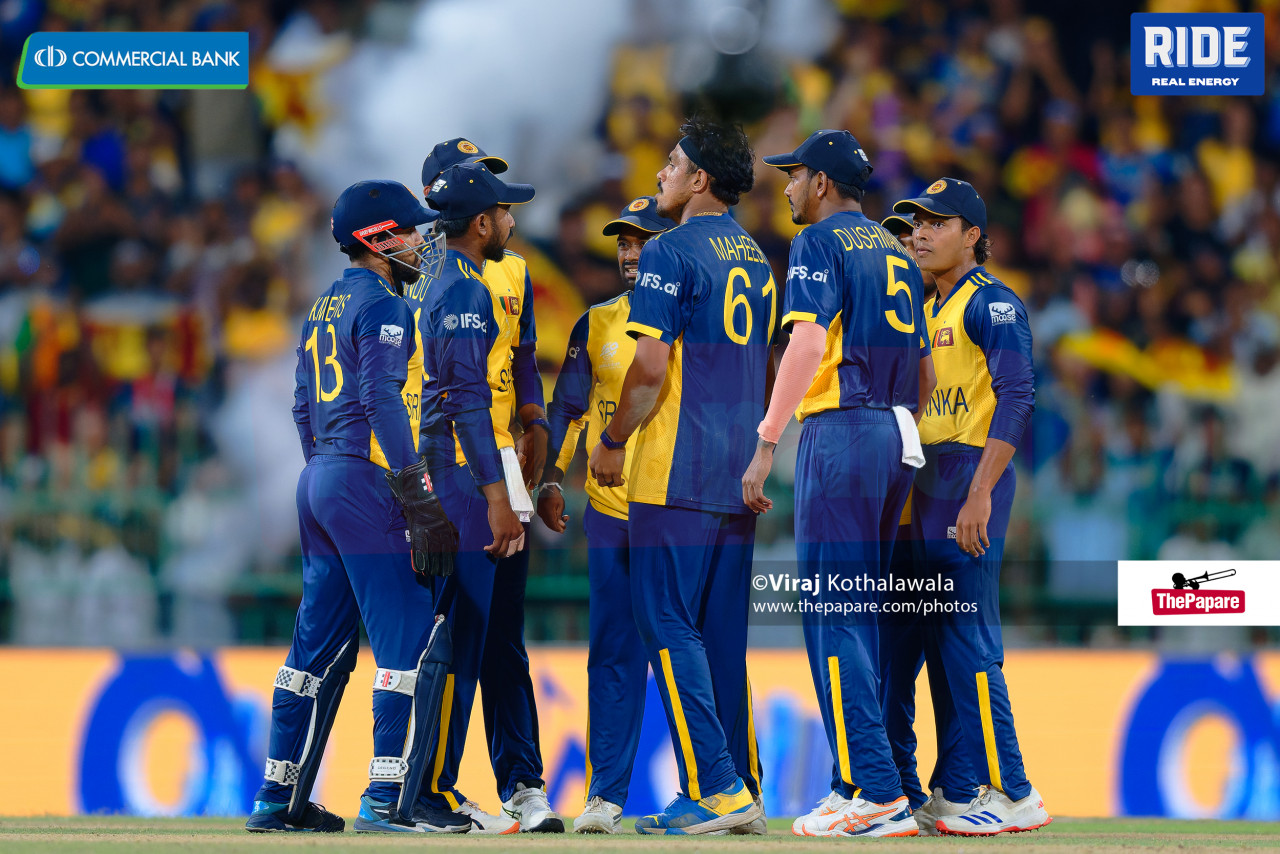
It was not all doom and gloom. The fielding, once a soft underbelly, was razor sharp. Half-chances were snaffled, direct hits found their mark and the energy in the ring was infectious. In the modern game, where margins are wafer thin, those moments matter.
And then there was Pavan Rathnayake. Tipped by some as more suited to the long format, the youngster tore up that script. He stitched innings together in the middle overs, counter-attacked when the screws were tightened and finished as Sri Lanka’s second highest run-scorer behind Pathum Nissanka. A strike rate north of 150 is not mere window dressing, it is a statement of intent.